Washed vs. Natural: What It Means in Your Cup
Oct 12, 2026
Long before coffee reaches your cup, a decision is made in the hands of the people who grow it.
After the cherry is picked, there are different ways to prepare the seed inside. Two of the most common are washed and natural. The difference sounds simple: remove the fruit before drying, or leave it on. But that choice can shape the character of the coffee in ways you can taste.
The Washed Process: Clarity and Precision
In the washed process, ripe coffee cherries are depulped to remove their outer skin and most of the fruit. Depending on the mill and the method, the remaining mucilage is broken down through fermentation or removed mechanically. The coffee is then washed, if required, and dried.
With much of the fruit removed before drying, the resulting cup often emphasizes clarity, defined acidity, and the character of the coffee’s variety and growing environment. The result isn’t flavor without influence from processing; it’s a different way of expressing what makes that coffee distinctive.
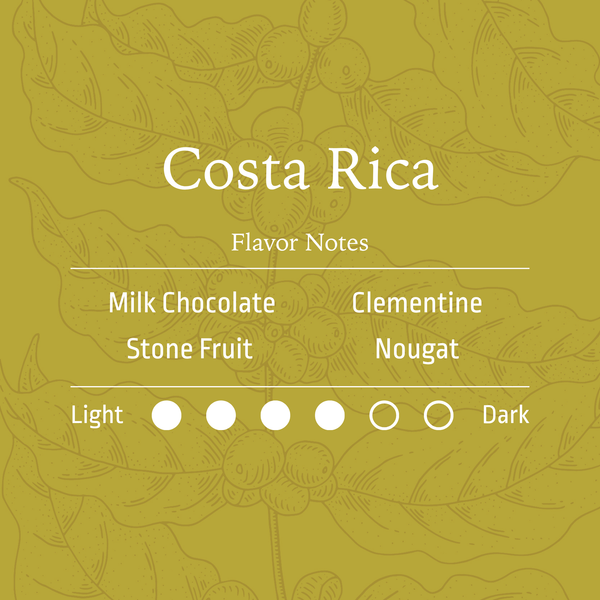
Take our Costa Rica Pérez Zeledón. Its washed process helps frame notes of milk chocolate, nougat, stone fruit, and clementine in a cup that’s bright, silky, and balanced.
Our El Salvador Santa Ana is washed, too, but the experience is different. Grown on volcanic slopes above 1,200 meters, it brings dark chocolate, caramel, dried fruit, almond, and a touch of red apple. The cup is rounder and deeper, with its own sense of sweetness and balance.
Same broad processing method. Different origins, varieties, and growing conditions. Different cups.
That’s part of what makes coffee worth exploring.

The Natural Process: Fruit and Complexity
Natural processing takes a different route. After harvesting, whole coffee cherries are dried with the fruit still surrounding the seeds. Depending on the climate, drying method, and conditions, this can take several weeks. During that time, the cherry’s sugars, acids, and other compounds interact with the coffee as it dries.
The process demands careful attention. Drying too slowly or unevenly can create defects, while well-managed drying helps preserve the coffee’s desired character.
In the cup, natural coffees often lean toward pronounced fruit, fuller sweetness, and sometimes berry-like, tropical, or wine-like notes. Not every natural coffee tastes the same, and the process alone doesn’t guarantee a particular flavor. Variety, ripeness, fermentation, and drying all play a role.
Our Nicaragua La Bastilla offers another way to experience this approach. Its notes of blueberry, raspberry, stone fruit, cane sugar, and lemon show how a natural coffee can bring fruit and sweetness to the foreground while retaining its own balance and character.
Taste it alongside a washed coffee, and the differences become easier to recognize. One might feel more defined and transparent; the other might seem rounder and more fruit-driven. Neither is inherently better. They simply take different paths.

Two Processes. Different Expressions.
It’s tempting to think of processing as a quality ranking, but that’s not what it is. Washed doesn’t automatically mean cleaner or better, and natural doesn’t automatically mean fruitier or more complex. Skilled producers can create exceptional coffee through either method.
Processing is one part of a much bigger picture: the variety planted, the altitude, the climate, the ripeness of the cherries, and the care taken during drying all contribute to the final cup.
What processing does is help shape how those elements come together.
Washed coffees often highlight clarity and definition. Natural coffees often bring more pronounced fruit and sweetness. These are tendencies, not rules, and the most interesting cups are the ones that make you curious enough to look closer.

A Simple Way to Taste the Difference
Next time you brew, check the processing method on the bag. If you have both a washed and a natural coffee at home, brew them using the same method and compare them side by side.
Notice the aroma first. Then pay attention to acidity, sweetness, body, and how the flavor develops as the coffee cools.
Does one feel brighter and more defined? Does the other bring forward berries, ripe fruit, or a rounder sweetness? There are no right answers. The point is to pay attention.
Because once you start recognizing how processing influences flavor, a coffee label becomes more than a list of details. It becomes the beginning of a story — about the choices made at the farm and the character those choices help bring into your cup.
And that story is worth tasting.