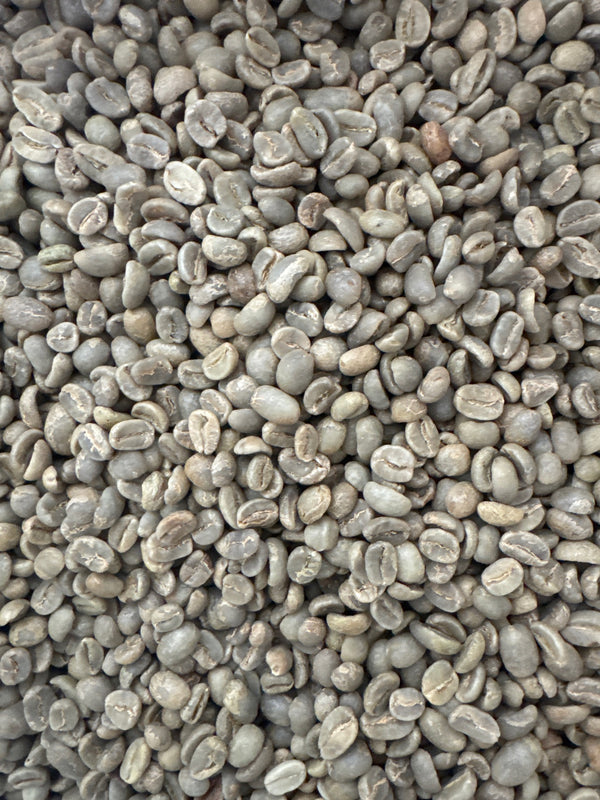
Honduras Reserva Pacavita: The Bestseller, and Why It Earned It
Oct 27, 2026
Chocolate, toasted almond, and a bright finish of orange peel. Some coffees catch your attention. Others earn a permanent place in your routine.
The Coffee People Come Back For
Every roastery has a coffee that tells you something about the people who drink it.
At Sorbo, that coffee is Honduras Reserva Pacavita.
It isn't the most unusual coffee on the menu, nor does it need an elaborate story to explain why it belongs in your cup. Pacavita does something more difficult: it delivers the kind of flavor you want to return to, morning after morning.
The first sip brings deep, rounded chocolate. Toasted almond follows, adding warmth and a gentle nuttiness. Then comes orange peel, a clean citrus note that lifts the finish and keeps the cup feeling fresh rather than heavy.
Everything has its place. Nothing overwhelms the rest.
It's a coffee with enough character to reward your attention and enough balance to fit effortlessly into your day. That combination is what makes it a bestseller. People find a coffee they enjoy, finish the bag, and order it again.
Sometimes, the strongest endorsement isn't a complicated tasting description. It's the next order.
Where It Begins: The Mountains of Western Honduras
Pacavita comes from the mountainous coffee-growing region of western Honduras, around Pico Congolon and the communities of Lempira and neighboring Copán. The area is shaped by high elevations, rich growing conditions, and distinct rainy and dry seasons.
The lot reaches elevations of up to 1,850 meters, where cooler conditions can slow cherry maturation and allow flavors to develop over a longer growing cycle.
Two of the producers associated with this coffee are Silvestre Vásquez, whose farm is in San Andrés, Lempira, and Joel López, a fourth-generation coffee producer connected to the CAFESCOR cooperative in Copán. López's family has a coffee-growing history dating back to 1865.
Their farms are part of a much larger story: Honduras's smallholder producers, whose knowledge of their land and attention to harvest quality help define the country's specialty coffee.
The mountains provide the conditions. The producers make the most of them.
A Coffee Made by Many Hands
Reserva Pacavita is a macrolot, not a single-estate coffee. It brings together coffee from multiple smallholder producers whose lots share a compatible quality and flavor profile.
That distinction matters.
Rather than coming from one farm, the coffee represents the work of several producers, each responsible for important steps in preparing their harvest. The cherries must be picked at the right stage of ripeness, processed carefully, and dried evenly before the coffees can come together as a consistent lot.
There is no single farm responsible for every cup. Instead, the quality comes from the combined work of producers who understand what their coffee needs.
When a coffee from multiple farms tastes harmonious, that consistency is not something to take for granted. It reflects careful preparation at every stage.
The Quiet Precision of Washed Processing
Pacavita is washed-processed, a method that places the emphasis on careful preparation rather than extended drying with the fruit attached to the bean.
After harvest, the ripe cherries are pulped to remove the outer fruit. The coffee is then fermented as needed to loosen the remaining mucilage, washed, and dried.
The process requires attention. Fermentation must be managed appropriately, and drying needs to be controlled to protect the quality of the beans.
Unlike natural processing, where the cherry dries around the seed and can contribute pronounced fruit character, washed processing often allows a cleaner expression of the coffee's underlying qualities.
In Pacavita, that clarity gives the chocolate and toasted almond room to develop, while the orange-peel finish brings a lively counterpoint.
Washed coffee isn't necessarily simple or understated. At its best, it is precise. Each part of the cup feels defined, and the overall experience feels complete.
The Varieties Behind the Cup
Pacavita includes varieties such as Lempira, Caturra, Catuai, and IHCAFE 90, with Bourbon also represented in the López farm's contribution.
These varieties have become familiar throughout Central American coffee-growing regions, where farmers select and cultivate them according to local conditions and production needs.
But variety alone doesn't determine flavor. Elevation, weather, soil, cherry maturity, processing, storage, and roasting all influence what eventually reaches the cup.
That is why two coffees grown in the same country can taste remarkably different.
With Pacavita, the goal isn't to make one characteristic stand above everything else. It's to bring together sweetness, depth, and brightness in a way that feels natural.
What to Expect in Your Cup
Pacavita's character reveals itself in three distinct stages.
First: Chocolate.
The opening is rounded and comforting, with a deep chocolate character that anchors the cup. It's rich without feeling excessively heavy, providing the familiar foundation that makes this coffee so approachable.
Then: Toasted Almond.
As the cup develops, a warm nuttiness comes forward. Toasted almond adds dimension to the chocolate, creating a smooth, satisfying middle that feels especially at home in a morning brew.
Finally: Orange Peel.
The finish brings a subtle citrus brightness. Orange peel adds contrast to the richer notes, leaving the cup feeling clean and balanced rather than lingering with heaviness.
Together, these characteristics create a coffee that works across different brewing methods and different moments of the day.
It can be the first cup before work, the pour-over you take your time with on a quiet morning, or the espresso you make simply because you want something dependable and good.
Pacavita doesn't need to surprise you every time. It needs to deliver a cup worth enjoying every time.
Roasted Fresh in Temecula
At Sorbo, we believe coffee should be roasted with the cup in mind, not a warehouse schedule.
That's why we roast to order, in small batches, here in Temecula. Your Pacavita is roasted on the day you order it rather than sitting in storage waiting to be shipped.
Fresh roasting is only one part of the equation, and it doesn't replace good farming or careful processing. But it is an important final step in preserving the character that makes a coffee worth buying in the first place.
With Pacavita, that means giving the chocolate its depth, the almond its warmth, and the citrus finish room to shine.
The people who grow the coffee put care into every stage before it reaches us. We take our responsibility seriously at the roaster, too.
Roasted fresh to order. Always.
How to Brew Honduras Reserva Pacavita
One reason Pacavita works so well as an everyday coffee is its versatility. You don't need an elaborate setup to enjoy it, and a few small adjustments can bring different aspects of its flavor forward.
Pour-over: For clarity and balance
Start with a medium grind and water around 195–205°F (90–96°C). Pour steadily and let the coffee draw down without rushing it. This method highlights the distinction between the chocolate, toasted almond, and citrus finish.
French press: For a fuller cup
Use a coarse grind and allow the coffee to steep for about four minutes before pressing. The fuller texture emphasizes the chocolate and warm nuttiness, making for a particularly satisfying cup.
Espresso: For concentrated sweetness
Pacavita's chocolate and almond notes make it a natural candidate for espresso. Start with a balanced recipe, then adjust your grind and extraction time to taste. The aim is a sweet, rounded shot with enough brightness to keep the finish lively.
Whichever method you choose, try your first cup without milk or sugar. Give the coffee a chance to show you what is already there.
Why It Earned Its Place
There will always be coffees that stand out because they are rare, experimental, or unlike anything you've tasted before. Those coffees have their place.
But there is another kind of specialty coffee worth appreciating: the one that makes excellence feel effortless.
Honduras Reserva Pacavita brings together skilled producers, high-altitude growing conditions, careful washed processing, and a flavor profile that feels both familiar and distinctive. It offers enough complexity to keep you interested without asking you to work for the pleasure of drinking it.
That is what a bestseller should be.
Not a coffee that everyone has to be convinced to try, but one that gives people a reason to return.
At Sorbo, Pacavita has earned that place one cup at a time.
Discover Honduras Reserva Pacavita at Sorbo Roaster.
Roasted fresh to order in Temecula. Delivered fresh, ready for your next cup.